Mooring fittings
What are mooring fittings?
Mooring fittings are essential for securing ships safely to docks, piers and offshore structures. Designed to withstand extreme marine conditions, mooring a ship requires durable and reliable fittings that ensure stability and safety in both calm and rough waters. Whether for vessel mooring accessories or large-scale industrial mooring systems, the right fittings are crucial for maintaining control and preventing unnecessary movement.

Contact our specialist.
What are mooring fittings used for?
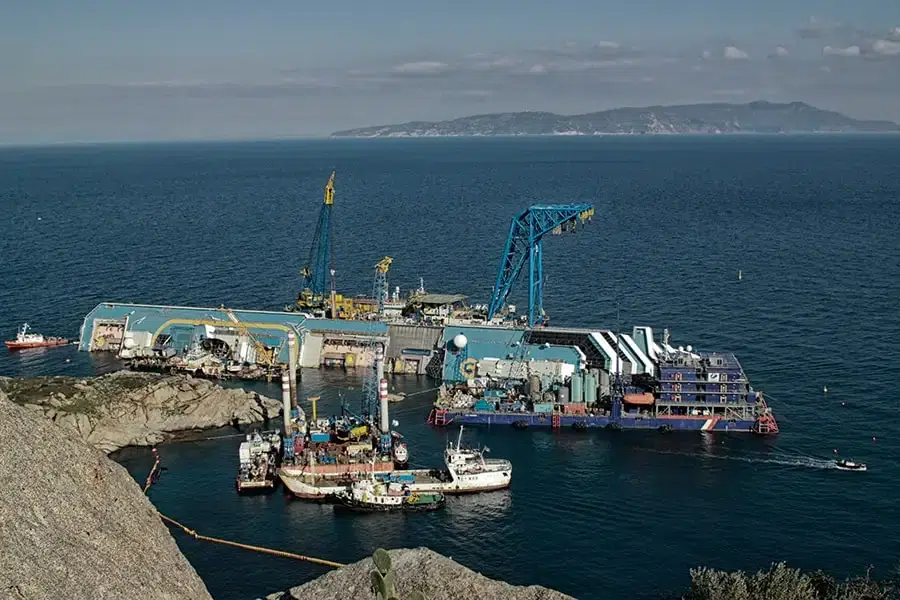
Mooring a ship is a crucial operation using mooring fittings to secure a ship to a fixed point, such as a dock or pier using ropes, chains, and anchors. The process must be carefully planned to ensure the ship remains stable under varying environmental conditions. Mooring lines are arranged to balance tension and prevent excessive movement, while specialised equipment like bollards and mooring winches aid in adjusting and securing the lines.
Mooring arrangement
A mooring arrangement refers to the strategic positioning of mooring lines, anchors, and other securing devices to hold a ship in place. This arrangement depends on the type of ship, docking location, and environmental factors such as tide and wind conditions. A well-planned mooring arrangement minimises stress on the vessel and the docking structure, ensuring long-term stability.
Safety procedures are critical to prevent accidents and ensure crew efficiency during mooring operations. The mooring deck is the designated area on a ship where the mooring operations take place. It contains essential equipment, called mooring fittings, which facilitate the secure fastening of mooring lines.
Why choose our mooring fittings?
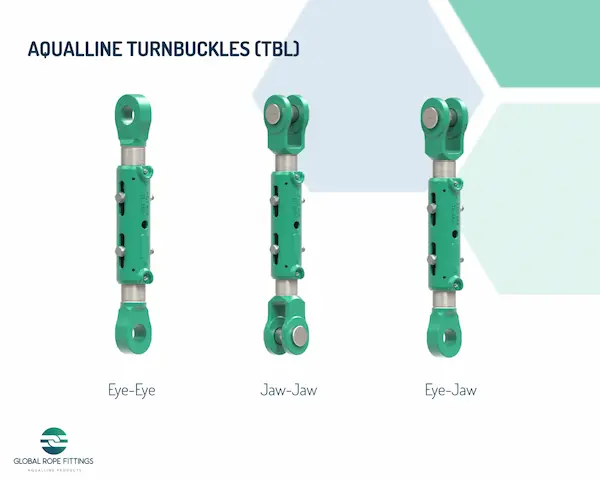
At Global Rope Fittings, we provide high-quality mooring fittings and tailored solutions to meet the demanding requirements of the marine industry. Our AqualLine products are designed with:
- Durability: Resistant to corrosion, wear, and harsh weather conditions.
- High Load Capacity: Engineered to handle heavy-duty marine applications.
- Versatility: Suitable for various vessels, from small vessels to large commercial ships.
- Safety Compliance: Manufactured according to strict industry standards.
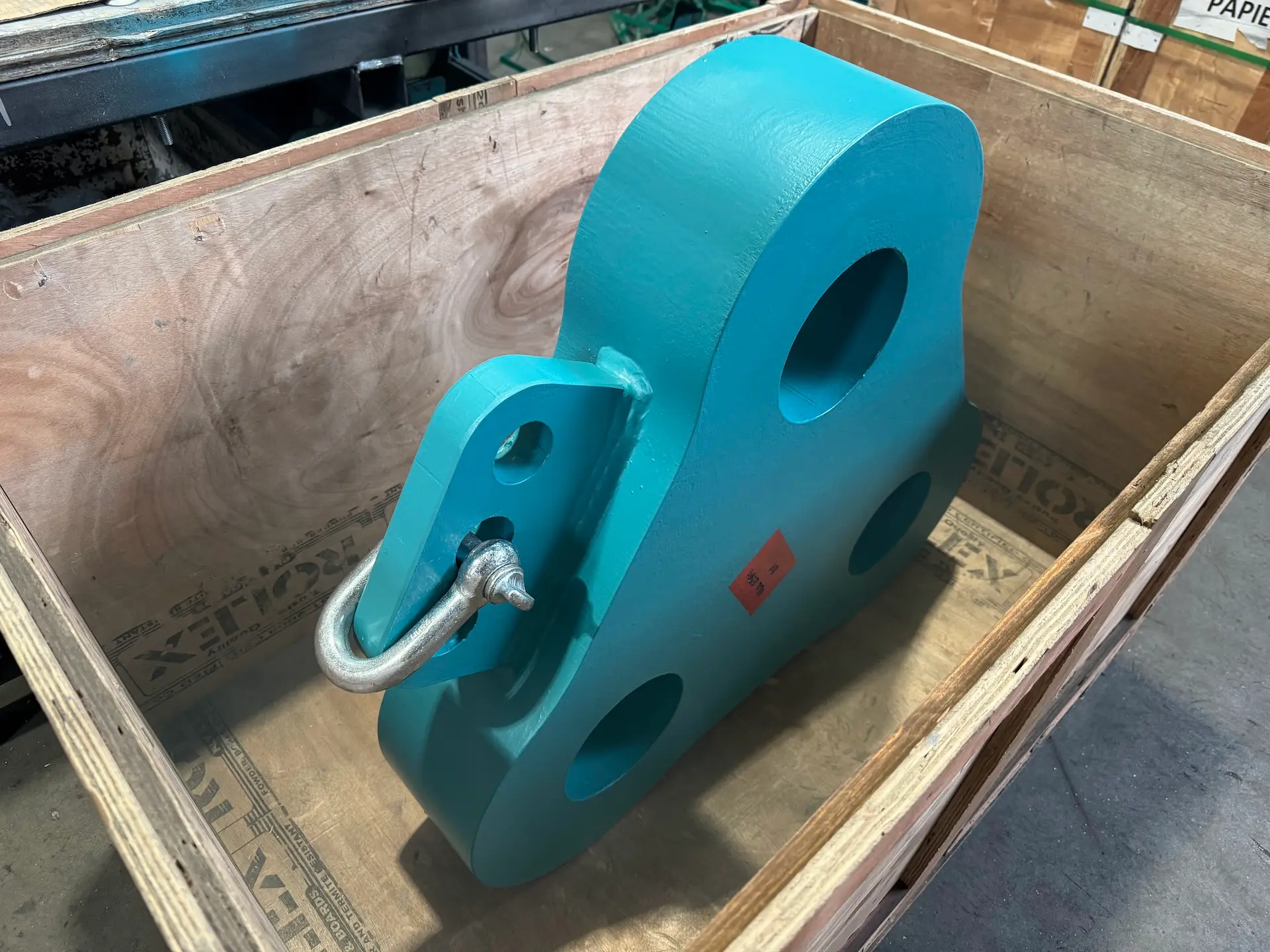
Global Rope Fittings is a trusted specialist in wire rope fittings, mooring components, and critical accessories tailored for the most demanding marine and offshore applications. Our product range includes proven solutions such as the Anchor Pendant Socket, ideal for securing high-load mooring lines in permanent offshore systems, and the Heavy Duty Triangle Plate (also known as a delta plate or tri-plate), designed to distribute tension effectively across multi-leg mooring configurations.
Choosing your mooring fittings
The choice of mooring fittings depends on factors such as vessel size, water depth, and environmental conditions. Investing in high-quality mooring solutions ensures safety, reduces wear on ropes and fittings, and helps maintain vessel integrity over time.
Applications
Our AqualLine mooring fittings are widely used across different marine and offshore industries. These fittings are integral to maintaining vessel stability and secure docking.
Harbours and Ports
- Provides secure anchoring for ships, tankers, and cargo vessels.
- Enhances safety during loading and unloading operations.
Marinas and Yachting
- Essential for securing recreational vessels and yachts.
- Helps prevent vessel drift and damage during mooring.
Offshore Installations
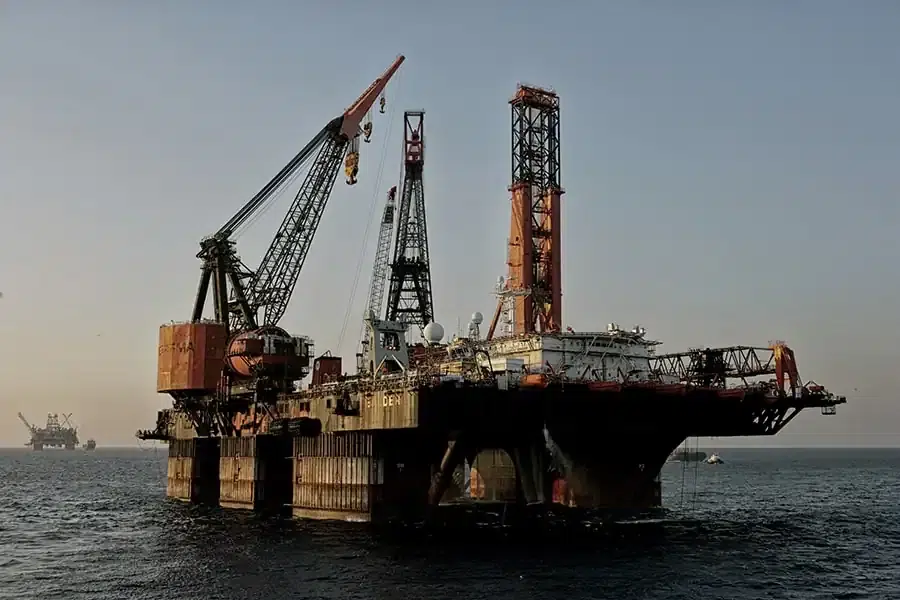
- Used in offshore platforms, oil rigs, and floating terminals.
- Ensures stability in dynamic marine environments.
Industrial Shipping & Transport
- Secures cargo ships and barges at ports and terminals.
- Designed for long-term, heavy-load applications.
- Offshore mooring systems often use specialised components such as chain stoppers, synthetic mooring lines, and suction anchors to provide secure and stable anchorage.
Ship to ship mooring
- The practice of securing two vessels together for cargo transfer, refuelling, or other maritime operations.
- This process requires specialised mooring equipment such as fenders, strong mooring lines, and careful maneuvering to ensure safety and stability.
Take a look at our projects where our mooring fittings are used.
Why Global Rope Fittings?
Global Rope Fittings specialises in high-performance mooring fittings that meet the stringent demands of marine environments. Our commitment to quality is reflected in products engineered for reliable performance in marine and offshore applications. The Global Rope Fittings advantage:
- Marine-Grade Materials: Crafted from stainless steel, galvanised steel, and corrosion-resistant alloys.
- Precision Engineering: Designed for maximum efficiency and durability in harsh marine environments – ‘Designed to Perfection’.
- Custom Solutions: Tailored fittings for unique mooring requirements.
- Industry Expertise: Years of experience in providing mooring solutions to commercial and industrial sectors.
FAQs about mooring fittings
What types of mooring fittings exist?
There are many types of mooring fittings, each serving a specific function within a mooring system. Common examples include bollards, fairleads, chocks and chain stoppers. Depending on the mooring arrangement, specialised wire rope sockets and connection components, such as anchor pendant sockets and heavy-duty triangle plates, may also be used.
Are mooring fittings standardised across vessels?
While many mooring components follow international standards, such as ISO or OCIMF guidelines, the exact design, dimensions, and capacities can vary based on the vessel type, classification society, and operational requirements. Commercial vessels, for instance, may use heavy-duty equipment with much higher load ratings compared to recreational vessels. It’s always essential to verify compatibility and certification before selecting or installing mooring fittings.
Can mooring fittings be used in both saltwater and freshwater environments?
Yes, mooring fittings are used in both saltwater and freshwater conditions, but the material selection is especially important in marine environments. Saltwater is highly corrosive, so fittings exposed to seawater must be made from materials that resist rust and degradation, such as stainless steel, hot-dip galvanised steel, or specially coated alloys. In freshwater environments, the corrosion risk is generally lower, but durability and load-bearing capacity remain crucial considerations.
How long do mooring fittings last?
The lifespan of mooring fittings depends on several factors, including the material, environmental conditions, frequency of use, and level of maintenance. In harsh offshore or port environments, fittings are constantly exposed to moisture, salt, and mechanical stress, which can accelerate wear and corrosion. Regular inspection, proper installation, and preventive maintenance are essential to extend the service life of the equipment. High-quality fittings can last for many years if properly maintained and used within their rated load limits.
Is mooring the same as anchoring?
Mooring and anchoring are related but distinct concepts. Mooring refers to securing a vessel or floating structure in position using lines, chains, mooring sockets and suitable connection components. These may be attached to fixed structures, mooring buoys or seabed anchors. Anchoring generally refers to using an anchor to hold a vessel in position. In offshore mooring systems, anchoring can therefore form part of the overall mooring arrangement.
Contact us for mooring fittings
Looking for reliable mooring fittings or custom-engineered solutions for marine and offshore applications? Global Rope Fittings is here to help. Contact our team for technical guidance and advice on selecting the right fittings for your mooring system.